
Understanding & Diagnosing Parkinson’s Disease

Understanding & Diagnosing Parkinson’s Disease

It is no secret that mental well-being is essential for the livelihood of mankind. Every year, millions of Americans succumb to mental illnesses. Parkinson’s disease is one of those mental illnesses. According to the World Health Organization (WHO,) over 10 million people suffer from Parkinson’s disease globally.

What is more alarming is that almost 72% of Americans add up to this staggering list of patients. According to physicians, Parkinson’s disease is the commonest form of chronic disease that makes Americans mentally disabled. Essentially, Parkinson’s disease is a chronic mental illness that affects the motor functions of patients.

RODNAE / Pexels / According to stats, more than 72% of Americans struggled with Parkinson’s disease in 2022.

However, the most alarming factor is that most even do not know about this degenerative disease of the brain. That is why it is extremely important to develop a mass understanding of the disease. Similarly, it is equally important to know the symptoms of Parkinson’s disease and to take preventive measures to prevent it from taking place.

What are the Common Symptoms of Parkinson’s Disease?

Here are some common symptoms of Parkinson’s disease:

– Mental disability and the existence of mental illnesses like depression, anxiety, and stress.

– Disability of motor functions.

– Difficulty in body movement.

– Constant body aches.

– Prolonged rigidity.

– Difficulty in walking balance.

Tima / Pexels / Parkinson’s disease is a degenerative mental disease that affects the motor functions of the body.

However, it is essential to note that Parkinson’s is not a single and stand-alone disease. Instead, it gives birth to other mental illnesses if it is not diagnosed in the early stages. Prolonged depression, difficulty in body mobility, unbearable anxiety, and stress are the results of undiagnosed Parkinson’s disease.

How Doctors Diagnose Parkinson’s Disease?

As mentioned earlier, any symptom of Parkinson’s disease (no matter how mild or intense) is alarming. Patients should consult doctors as soon as they notice any of the symptoms of the disease. Be it mental agility or difficulty in body movement, patients should consult doctors before it gets intense.
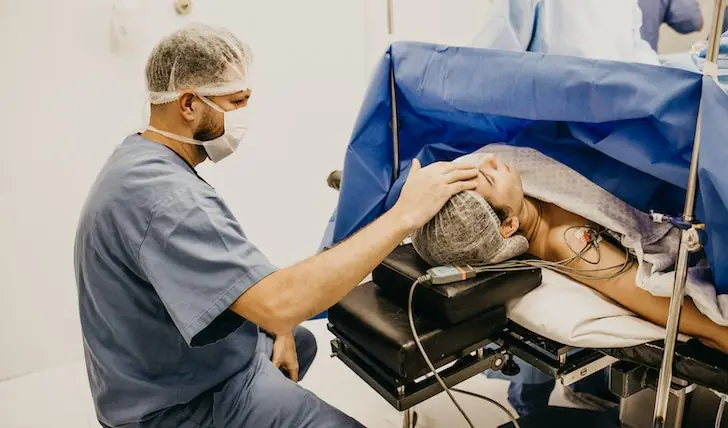
Jonathan / Pexels / Since the symptoms of Parkinson’s disease are difficult to differentiate from other mental illnesses, it takes intensive therapy to diagnose it.

Nonetheless, the problem with diagnosing Parkinson’s disease is that it is difficult to distinguish it from other mental illnesses. That is to say, mental agility and difficulty in body mobility, and limb rigidity are the common symptoms of Parkinson’s disease. But these symptoms are also found in other mental illnesses.

Therefore, doctors make it pristinely clear that it is actually Parkinson’s disease prior to diagnosing it. The point is that finding Parkinson’s disease is the tougher part for doctors. Once they find it, treating t takes a few simple steps.

However, physicians have found out that the proteins that are found in Parkinson’s patients are different than ‘other’ mental patients. Based on this analogy, doctors conduct a clinical examination of the patient. Once they are pretty sure about the disease, they go ahead with the treatment. Once Parkinson’s disease is found, it is pretty easy for doctors to diagnose it – either through medications or therapies.

You May Also Like

How Biophilia Can Elevate Your Next Travel Adventure Treatment

How Biophilia Can Elevate Your Next Travel Adventure

Incorporating biophilia into your next travel adventure can deepen your connection with nature and enhance your overall well-being. Biophilia, the human desire to connect with the natural world, offers more than just relaxation—it provides physical, mental, and emotional benefits. Engaging with nature during your trip not only helps you feel more refreshed but can also […]

Ami Ciccone October 11, 2024
Read More →
Does Wisdom Tooth Pain Cause Headaches? Treatment

Does Wisdom Tooth Pain Cause Headaches?

Dealing with wisdom tooth pain can be a frustrating experience. It’s not just the ache in your jaw or the swelling in your gums—sometimes, it feels like the pain travels far beyond your mouth. Suddenly, a dull headache sets in, leaving you wondering: “Does wisdom tooth pain cause headaches?” Understanding the connection between oral health […]

Ami Ciccone September 12, 2024
Read More →
Can You Wear Makeup After Botox? Treatment

Can You Wear Makeup After Botox?

Botox has long been a favorite for those looking to smooth wrinkles and achieve a youthful appearance. But can you wear makeup after Botox? Understanding the proper aftercare and the best practices for applying makeup post-treatment is essential for maintaining the benefits of Botox. Proper care ensures you get the best results while continuing to […]

Ami Ciccone August 3, 2024
Read More →
A Quick Guide on How to Get Short-Term Disability Approved for Anxiety and Depression Treatment

A Quick Guide on How to Get Short-Term Disability Approved for Anxiety and Depression

Living with anxiety or depression poses unique challenges, particularly in the workplace, where stress can exacerbate symptoms. For many, short-term disability emerges as a vital support, offering a financial safety net during periods of intense mental distress. This guide explains how to get short-term disability approved for anxiety and depression, offering a straightforward approach to […]

Ami Ciccone July 5, 2024
Read More →
Why Do People Feel Sleepy After Eating? Treatment

Why Do People Feel Sleepy After Eating?

Is feeling sleepy after eating a sign of diabetes? Well, not directly. There are many reasons why you feel drowsy after eating. One of the main reasons why you might feel sleepy after eating is due to fluctuations in your blood sugar levels. When you eat a meal, particularly one rich in carbohydrates, your blood […]

Ami Ciccone June 20, 2024
Read More →