

Friendship is a crucial aspect of your child’s life. It is where they learn valuable social skills, build trust, and create lasting bonds. As a parent, it is your job to guide them through the ups and downs of making friends and being a good friend in return.
So, let’s dive into five ways to have those important conversations with your kids about friendship.
Teach Empathy and Kindness
Friendship is not just about having someone to play with. Instead, it is about caring for others. Teach your kids the golden rule: “Treat others how you want to be treated.” Encourage them to put themselves in their friend’s shoes.
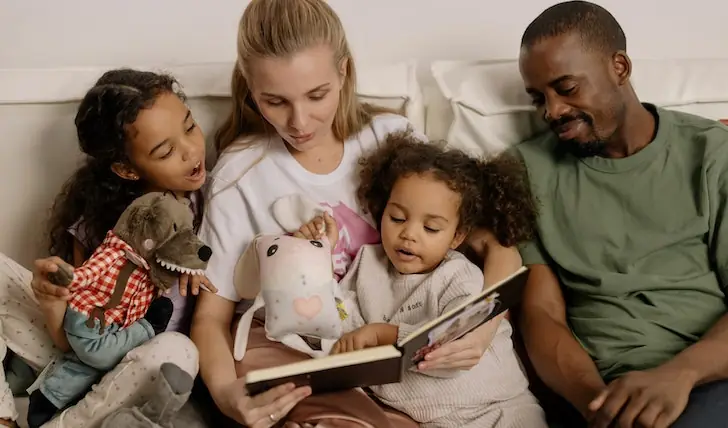
Understanding how their actions affect others will make them more compassionate and considerate friends. Plus, share stories or books that emphasize the importance of empathy and kindness.
Identify Healthy Friendships
Help your children distinguish between healthy and toxic friendships. Discuss the qualities of good friends, like trustworthiness, supportiveness, and shared interests.
Emphasize the importance of surrounding themselves with people who uplift and encourage them.
Lead by Example
One of the most effective ways to teach your children about friendship is to be a shining example yourself. Show them what it means to be a good friend. How? Well, by maintaining your own strong friendships. Invite your friends over, let them see you interact, and even share stories about your experiences.

When your kids witness firsthand how friendships work, they will better understand what to expect and how to navigate them.
Teach Them Online Friendships and Safety
In today’s digital age, friendships are not limited to face-to-face interactions. Kids are increasingly forming connections online. So, it is crucial to educate them about online safety, privacy, and the differences between online and offline friendships.
Discuss the potential risks and help them establish boundaries for sharing personal information and communicating with online friends. Encourage open dialogue and remind them that they can always come to you with any online concerns.
Discuss Conflict Resolution
Friendships are not always rainbows and sunshine. There will be disagreements and conflicts – but that is okay! Use these moments as teaching opportunities. Talk to your kids about how to handle conflicts constructively.
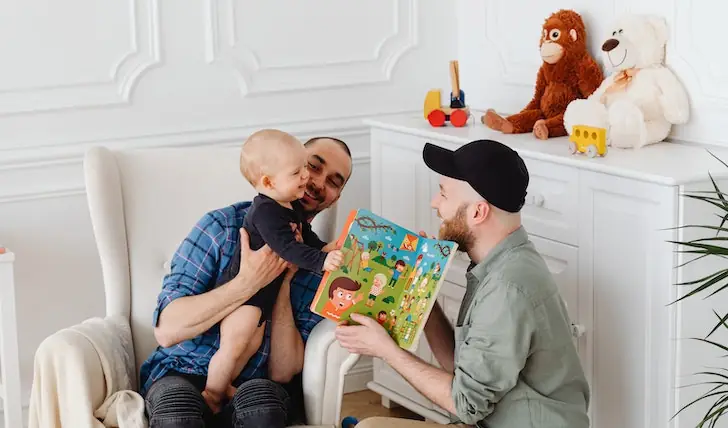
Plus, encourage open communication so they feel comfortable discussing any issues that arise with their friends.
Bonus Tip: Keep Communication Lines Open
Maintaining open, non-judgmental communication is the key to successfully talking to your kids about friendship. Create an environment where they feel comfortable sharing their thoughts and concerns. Ask them about their friends and listen actively to their stories.
When they feel heard and supported, they will be more likely to turn to you for guidance, especially when faced with friendship challenges.
Remember, parenting is an ongoing journey. So is learning about friendships. Be patient and understanding as your child navigates the complexities of social relationships. Every child is unique. And they may encounter different friendship dynamics and challenges along the way.